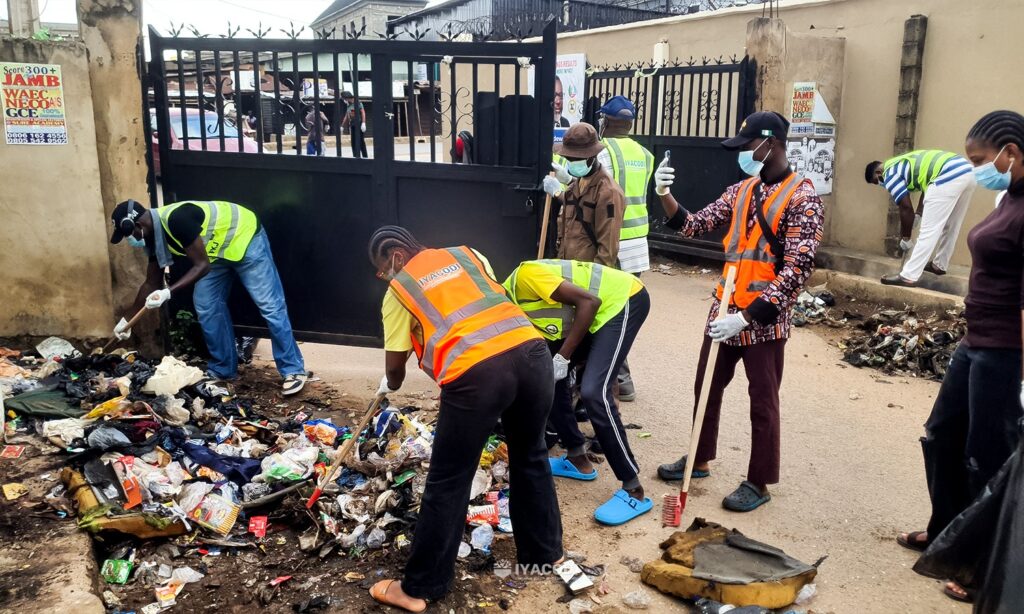
𝐂𝐥𝐢𝐦𝐚𝐭𝐞 𝐀𝐜𝐭𝐢𝐨𝐧: 𝐄𝐧𝐯𝐢𝐫𝐨𝐧𝐦𝐞𝐧𝐭𝐚𝐥 𝐖𝐚𝐬𝐭𝐞 𝐌𝐚𝐧𝐚𝐠𝐞𝐦𝐞𝐧𝐭 𝐄𝐱𝐞𝐫𝐜𝐢𝐬𝐞 𝐚𝐧𝐝 𝐏𝐥𝐚𝐬𝐭𝐢𝐜 𝐑𝐞𝐜𝐨𝐯𝐞𝐫𝐲 – 𝐀𝐫𝐚𝐫𝐨𝐦𝐢 𝐂𝐨𝐦𝐦𝐮𝐧𝐢𝐭𝐲, 𝐈𝐟𝐚𝐤𝐨-𝐈𝐣𝐚𝐢𝐲𝐞, 𝐋𝐚𝐠𝐨𝐬, 𝐍𝐢𝐠𝐞𝐫𝐢𝐚 | 𝐀𝐩𝐫𝐢𝐥 𝟐𝟎𝟐𝟔
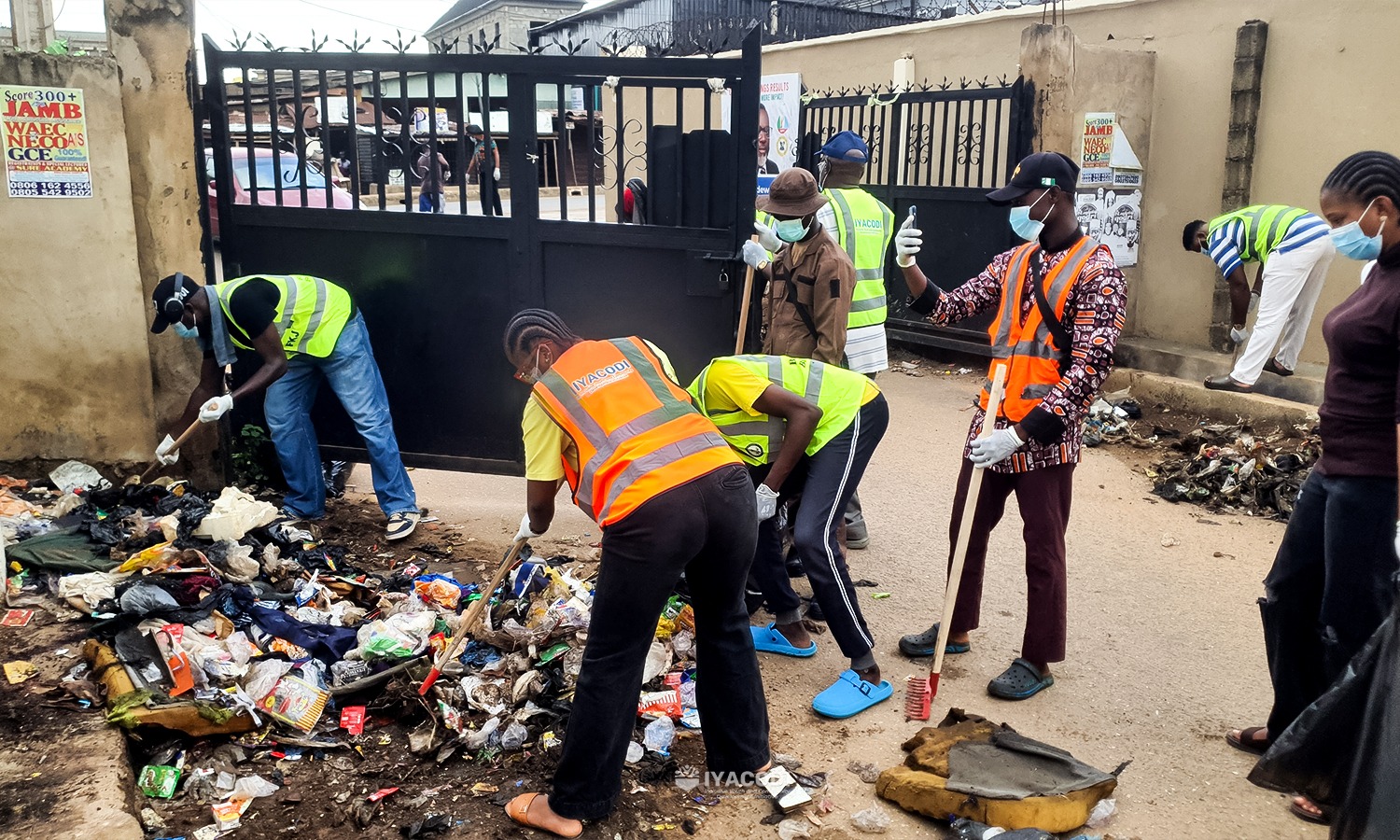
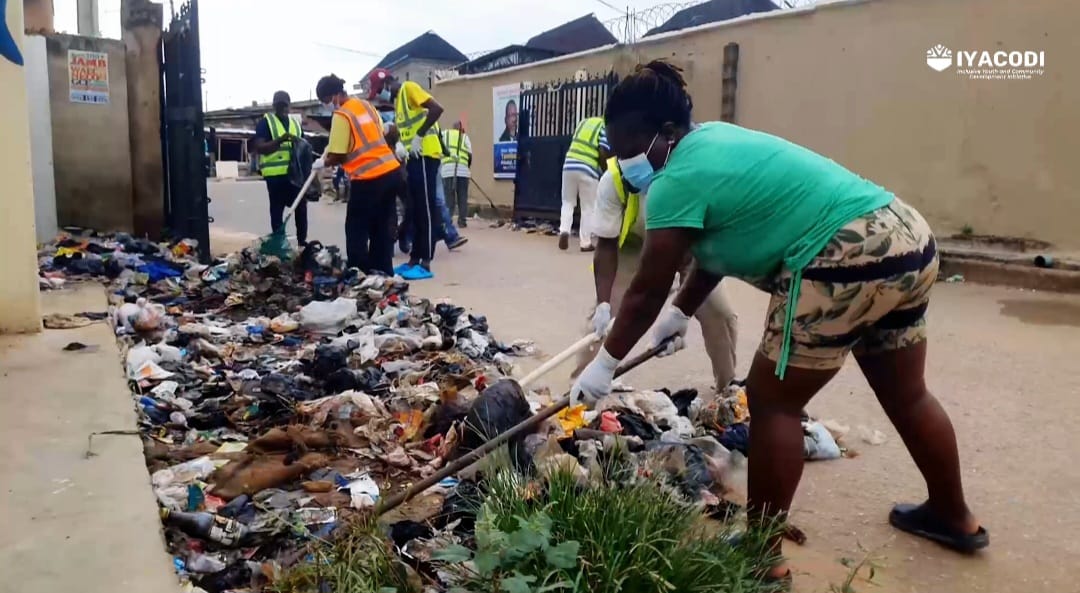
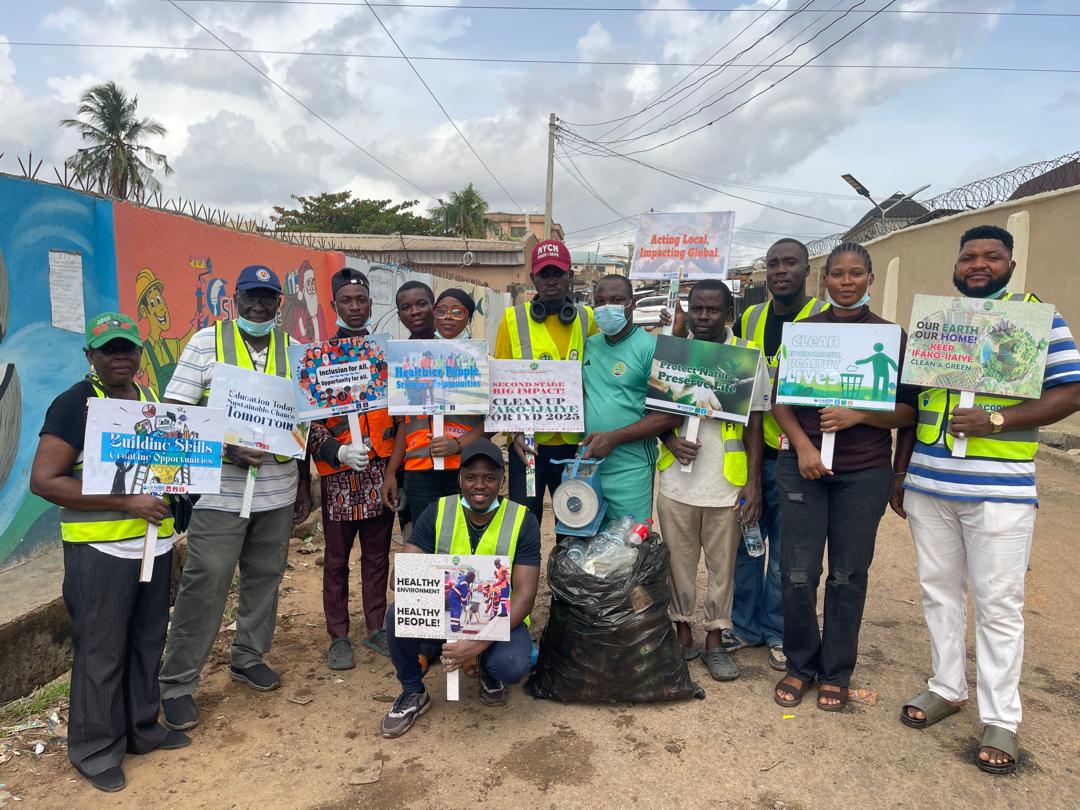
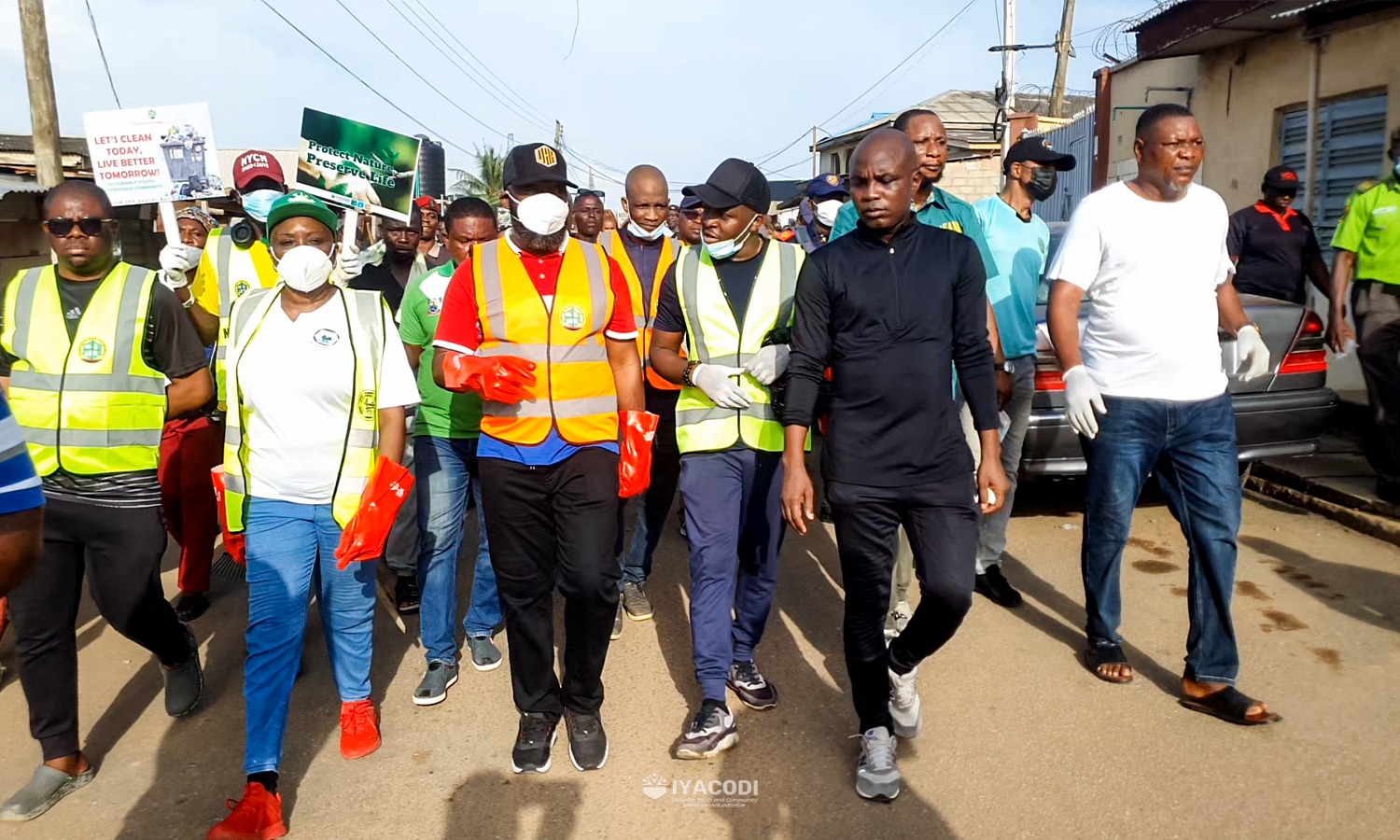
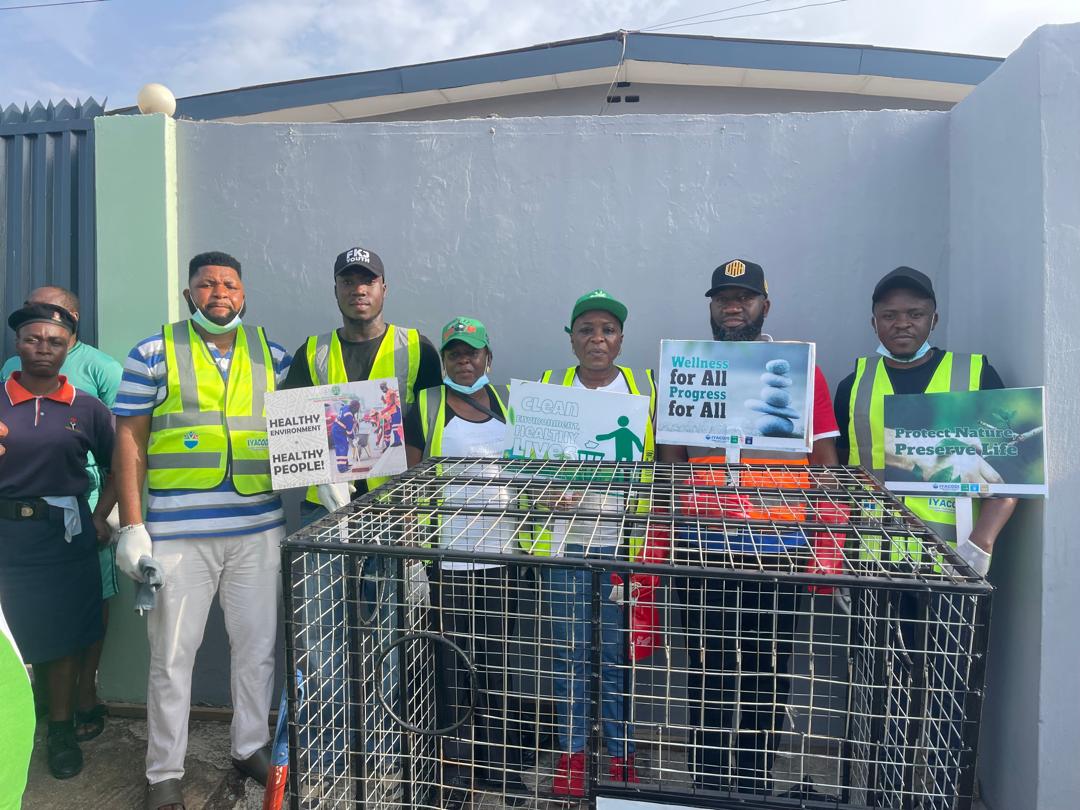
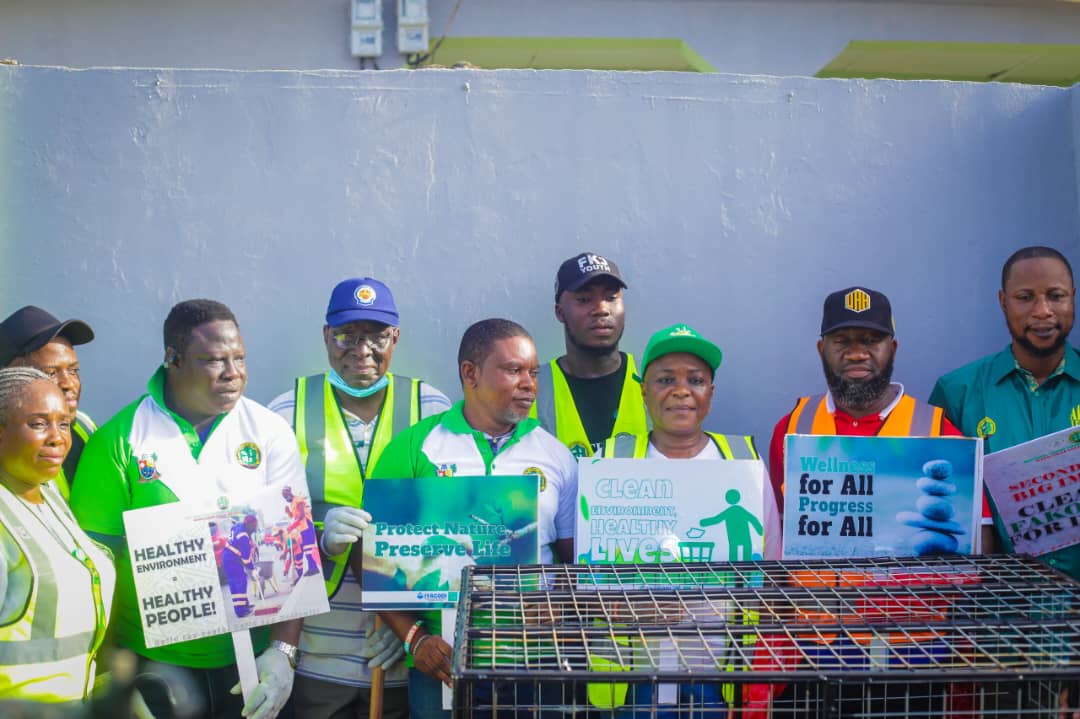
On Saturday, 25th April 2026, the 𝐈𝐧𝐜𝐥𝐮𝐬𝐢𝐯𝐞 𝐘𝐨𝐮𝐭𝐡 𝐚𝐧𝐝 𝐂𝐨𝐦𝐦𝐮𝐧𝐢𝐭𝐲 𝐃𝐞𝐯𝐞𝐥𝐨𝐩𝐦𝐞𝐧𝐭 𝐈𝐧𝐢𝐭𝐢𝐚𝐭𝐢𝐯𝐞 (𝐈𝐘𝐀𝐂𝐎𝐃𝐈), 𝐢𝐧 𝐜𝐨𝐥𝐥𝐚𝐛𝐨𝐫𝐚𝐭𝐢𝐨𝐧 𝐰𝐢𝐭𝐡 𝐭𝐡𝐞 𝐍𝐚𝐭𝐢𝐨𝐧𝐚𝐥 𝐘𝐨𝐮𝐭𝐡 𝐂𝐨𝐮𝐧𝐜𝐢𝐥 𝐨𝐟 𝐍𝐢𝐠𝐞𝐫𝐢𝐚 (𝐈𝐟𝐚𝐤𝐨-𝐈𝐣𝐚𝐢𝐲𝐞 𝐂𝐡𝐚𝐩𝐭𝐞𝐫) 𝐚𝐧𝐝 𝐈𝐟𝐚𝐤𝐨-𝐈𝐣𝐚𝐢𝐲𝐞 𝐋𝐨𝐜𝐚𝐥 𝐆𝐨𝐯𝐞𝐫𝐧𝐦𝐞𝐧𝐭, successfully organized an Environmental Waste Management Exercise in Araromi Community, Lagos, Nigeria.
The initiative was designed to promote climate action, environmental sustainability, and responsible waste management practices within the community while encouraging active community participation.
Project Impact
Through this impactful environmental exercise, IYACODI achieved several key outcomes aimed at improving environmental sustainability and community awareness.
Key Achievements
- Community awareness and sensitization on proper waste management and climate action
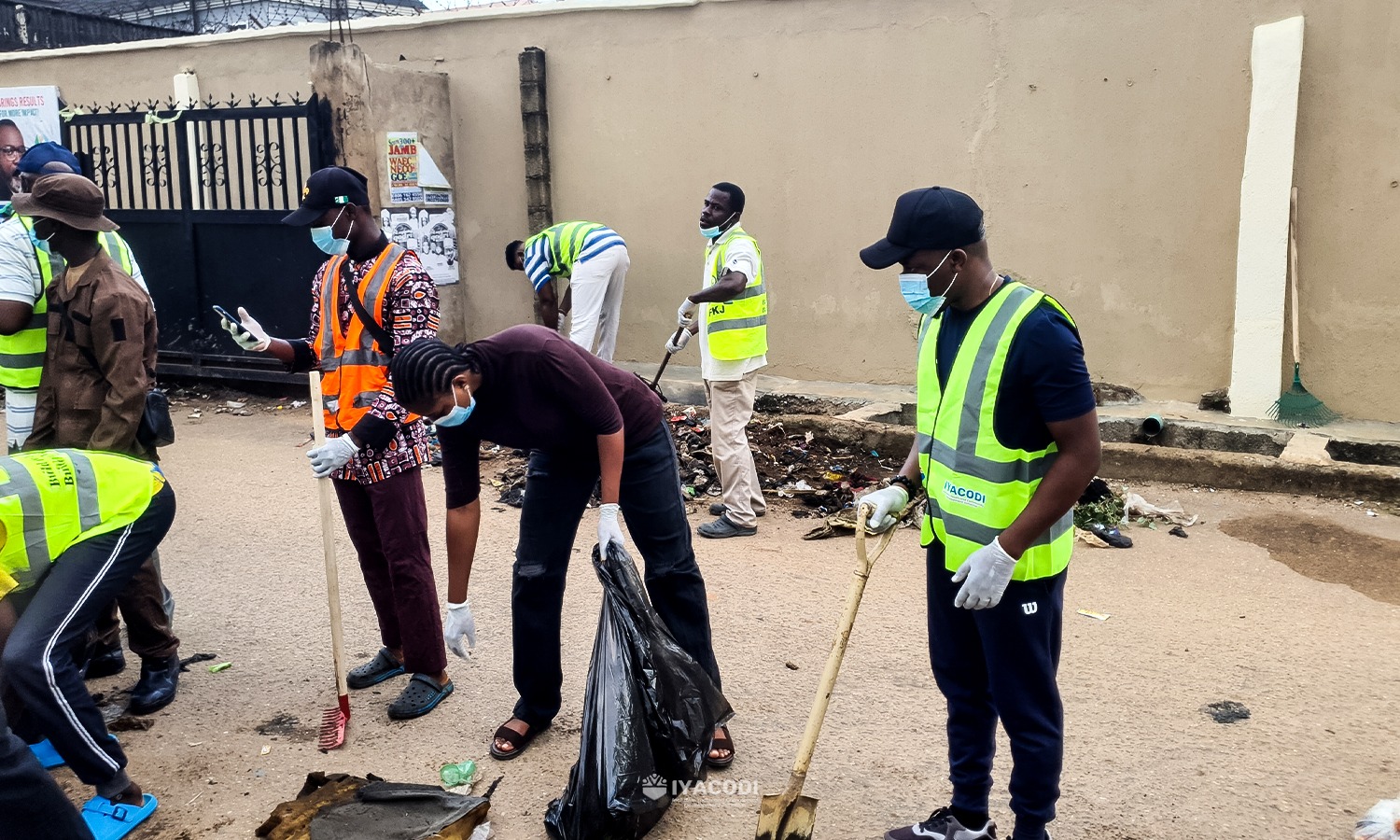
- Waste segregation and plastic recovery activities
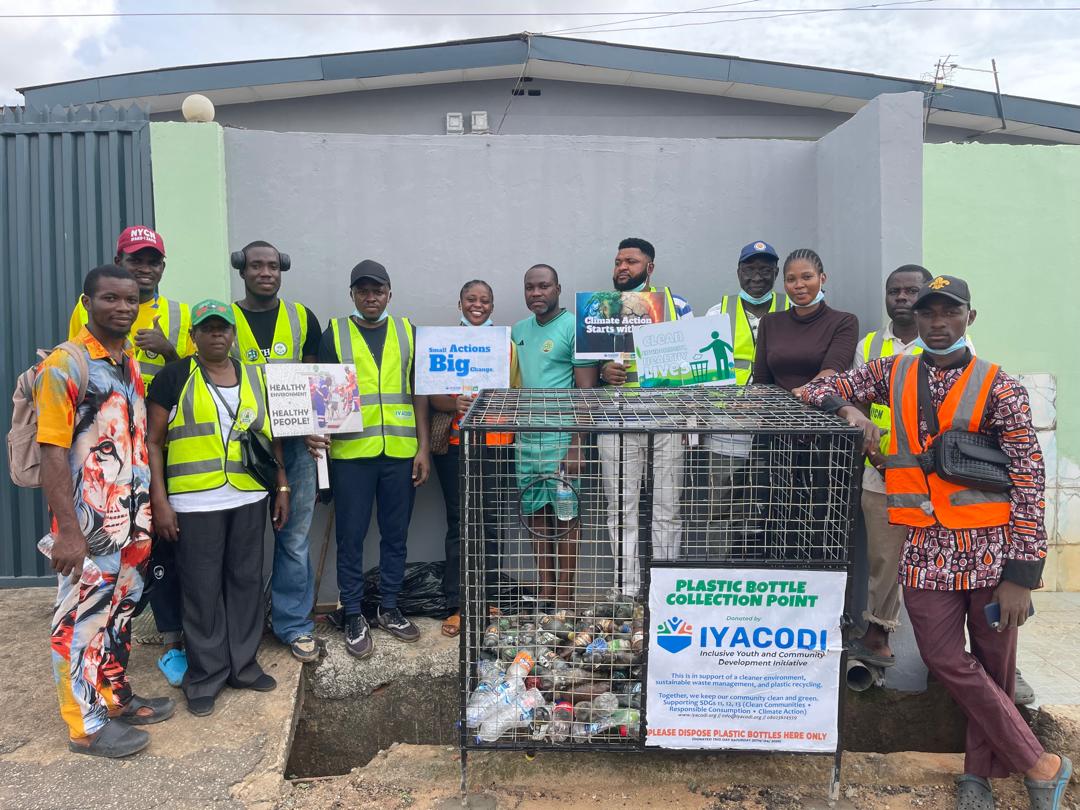
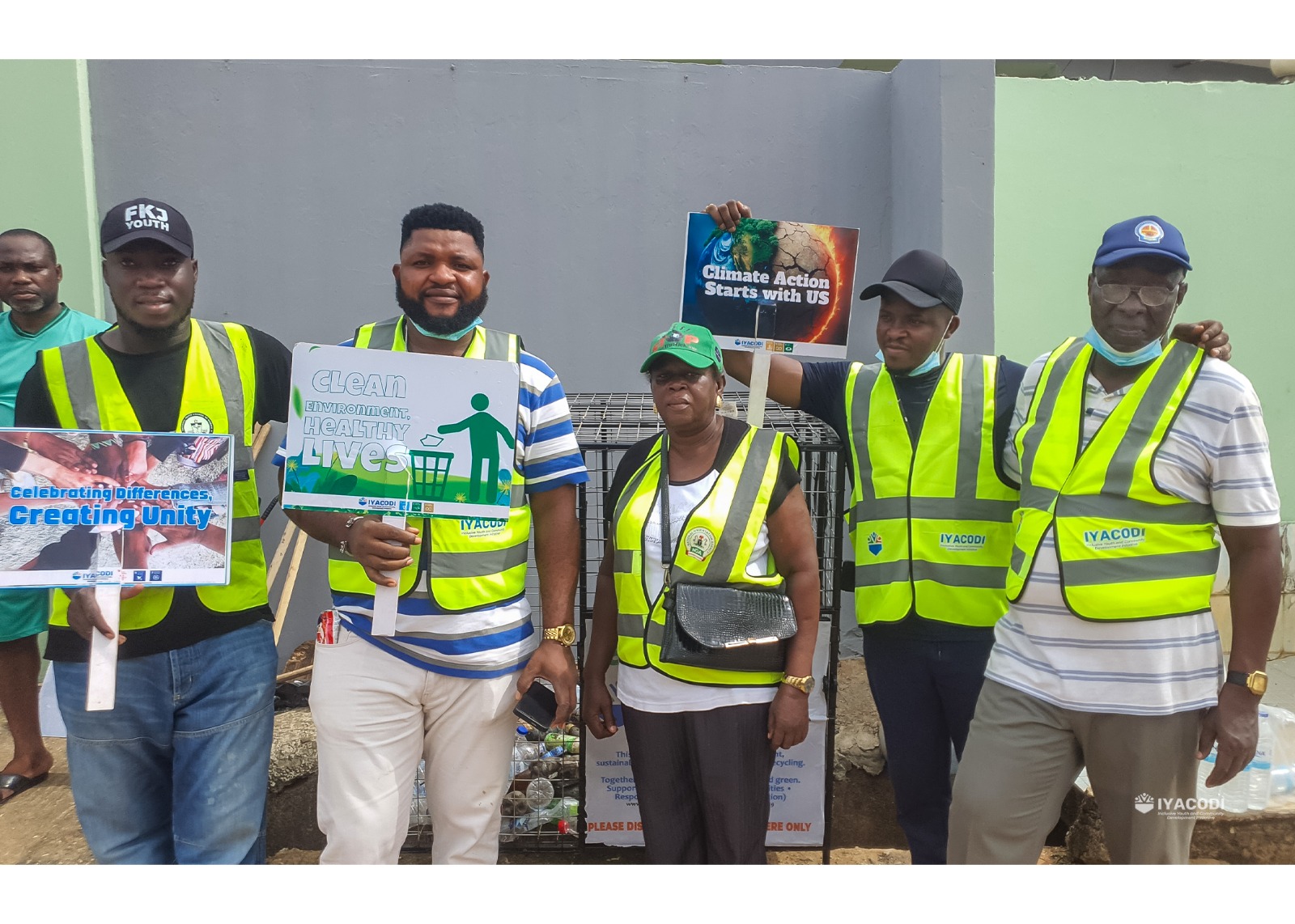
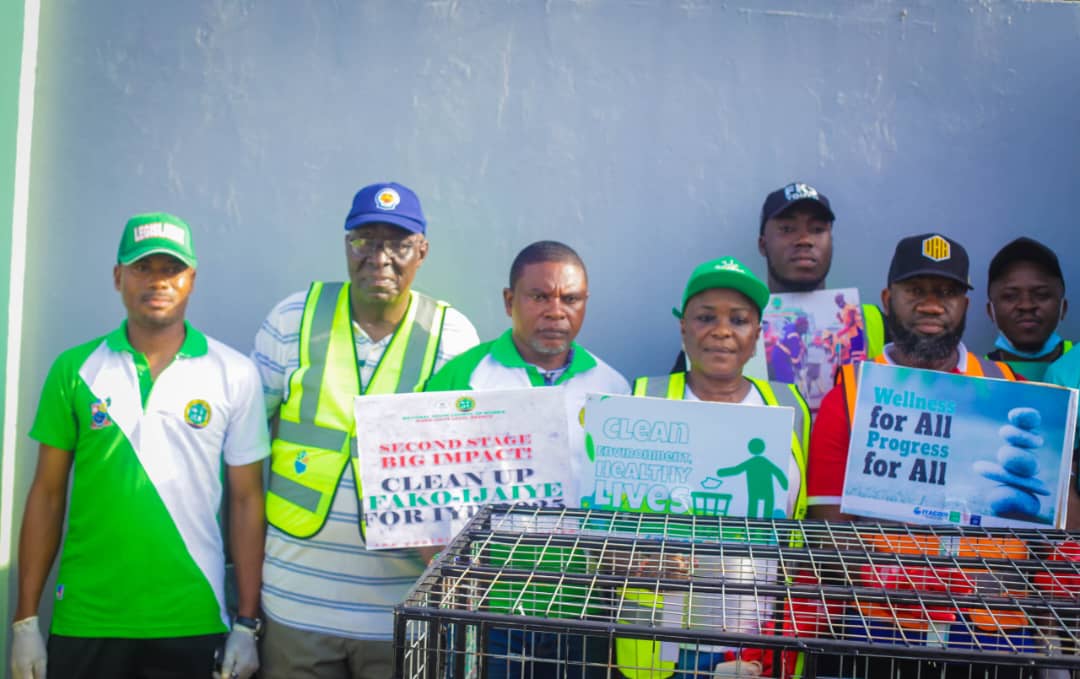
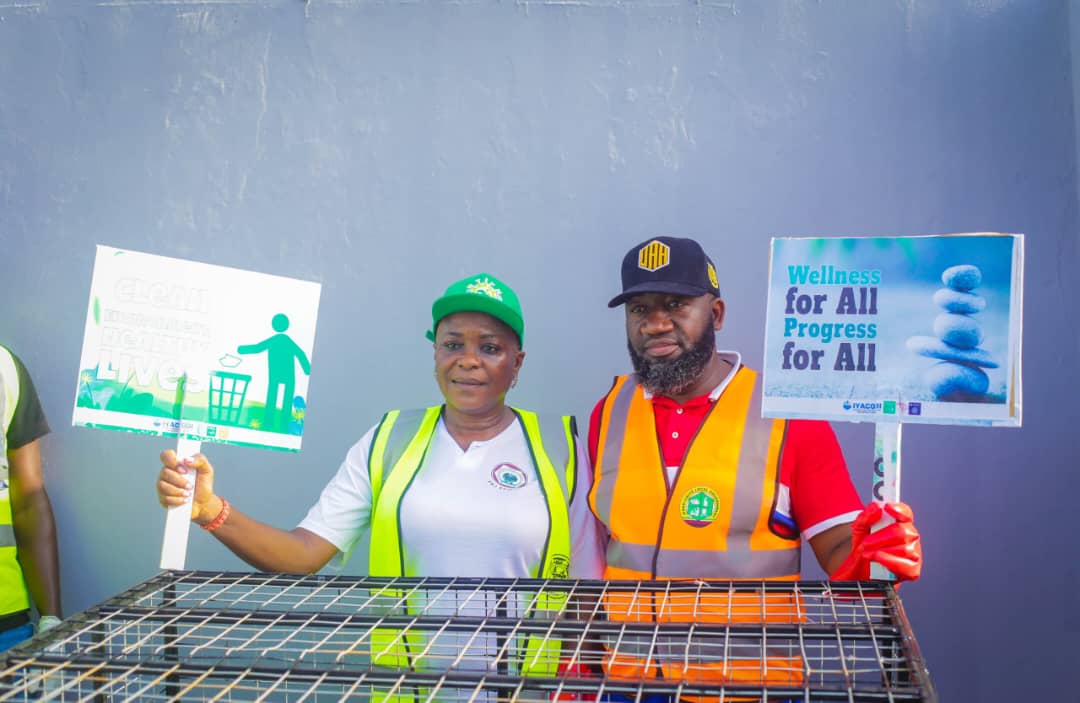
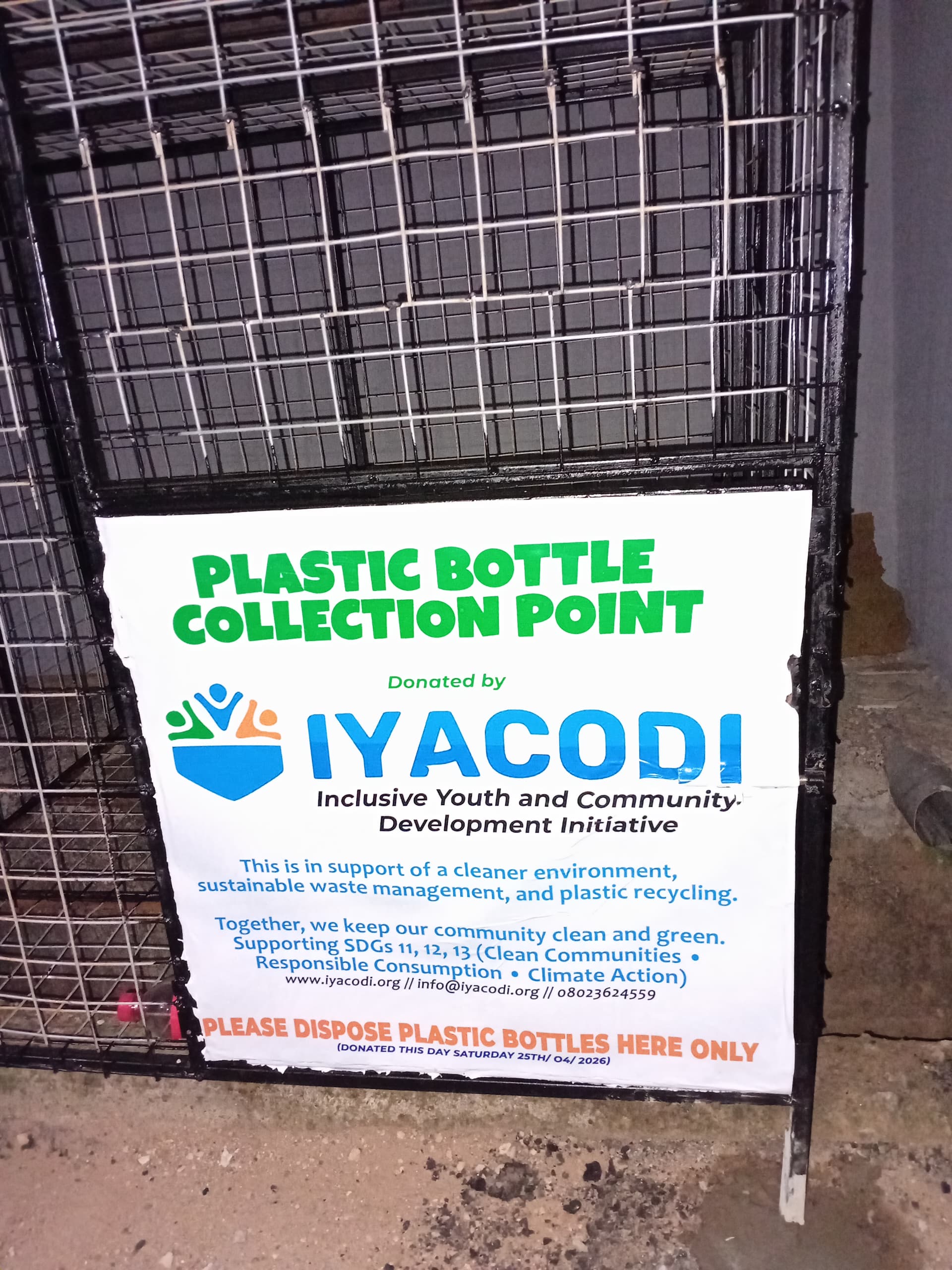
- 𝐃𝐨𝐧𝐚𝐭𝐢𝐨𝐧 𝐨𝐟 𝐚 𝐏𝐥𝐚𝐬𝐭𝐢𝐜 𝐖𝐚𝐬𝐭𝐞 𝐂𝐨𝐥𝐥𝐞𝐜𝐭𝐢𝐨𝐧 𝐁𝐢𝐧 𝐭𝐨 𝐀𝐫𝐚𝐫𝐨𝐦𝐢 𝐂𝐨𝐦𝐦𝐮𝐧𝐢𝐭𝐲
- Promotion of recycling and environmental responsibility
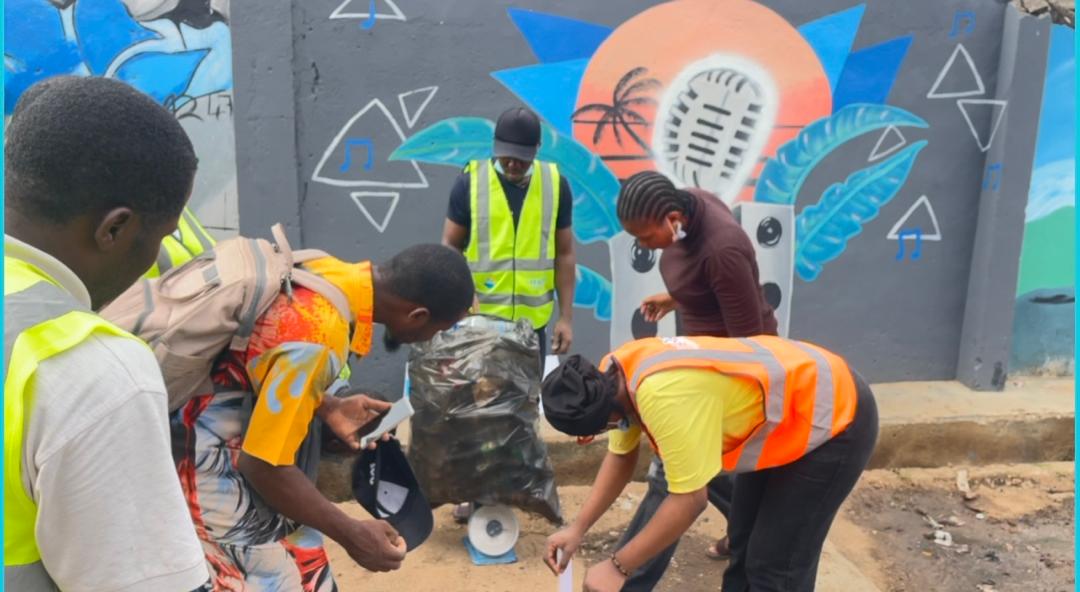
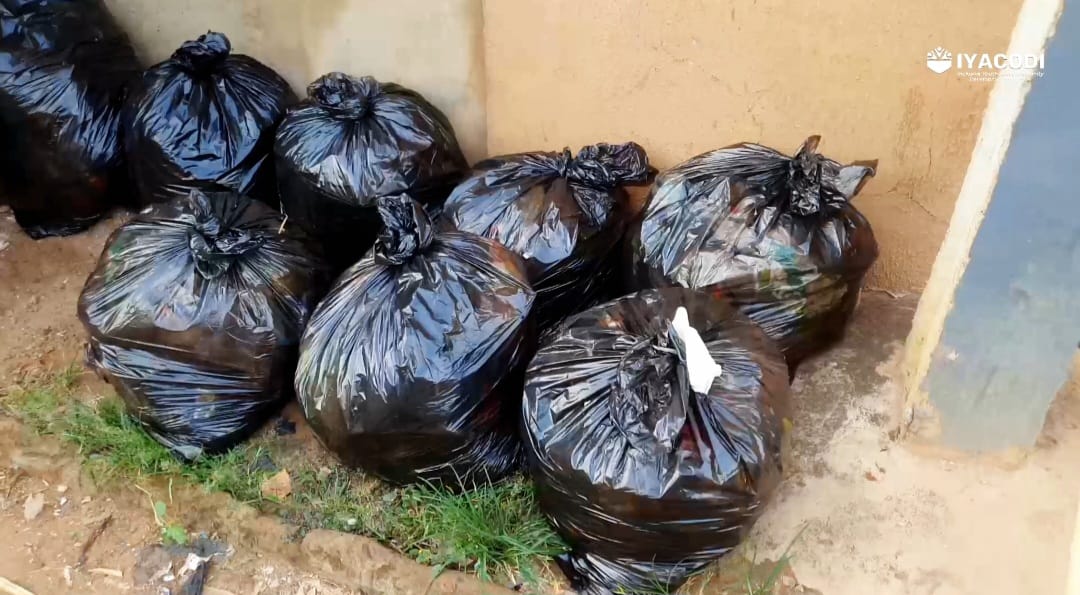
- 𝟓.𝟔 𝐤𝐢𝐥𝐨𝐠𝐫𝐚𝐦𝐬 𝐨𝐟 𝐩𝐥𝐚𝐬𝐭𝐢𝐜 𝐰𝐚𝐬𝐭𝐞 𝐫𝐞𝐜𝐨𝐯𝐞𝐫𝐞𝐝
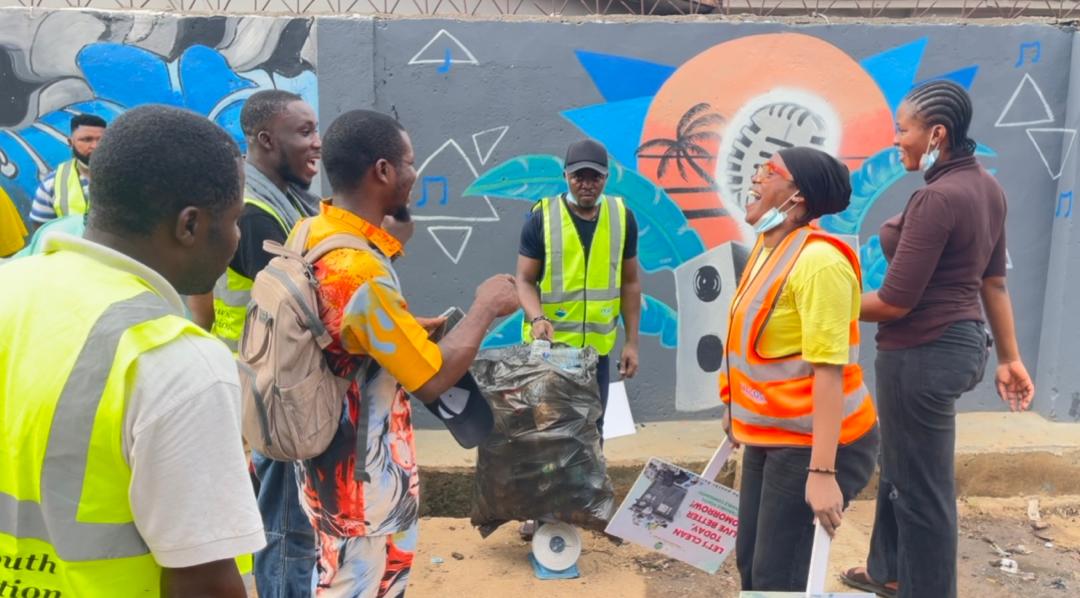
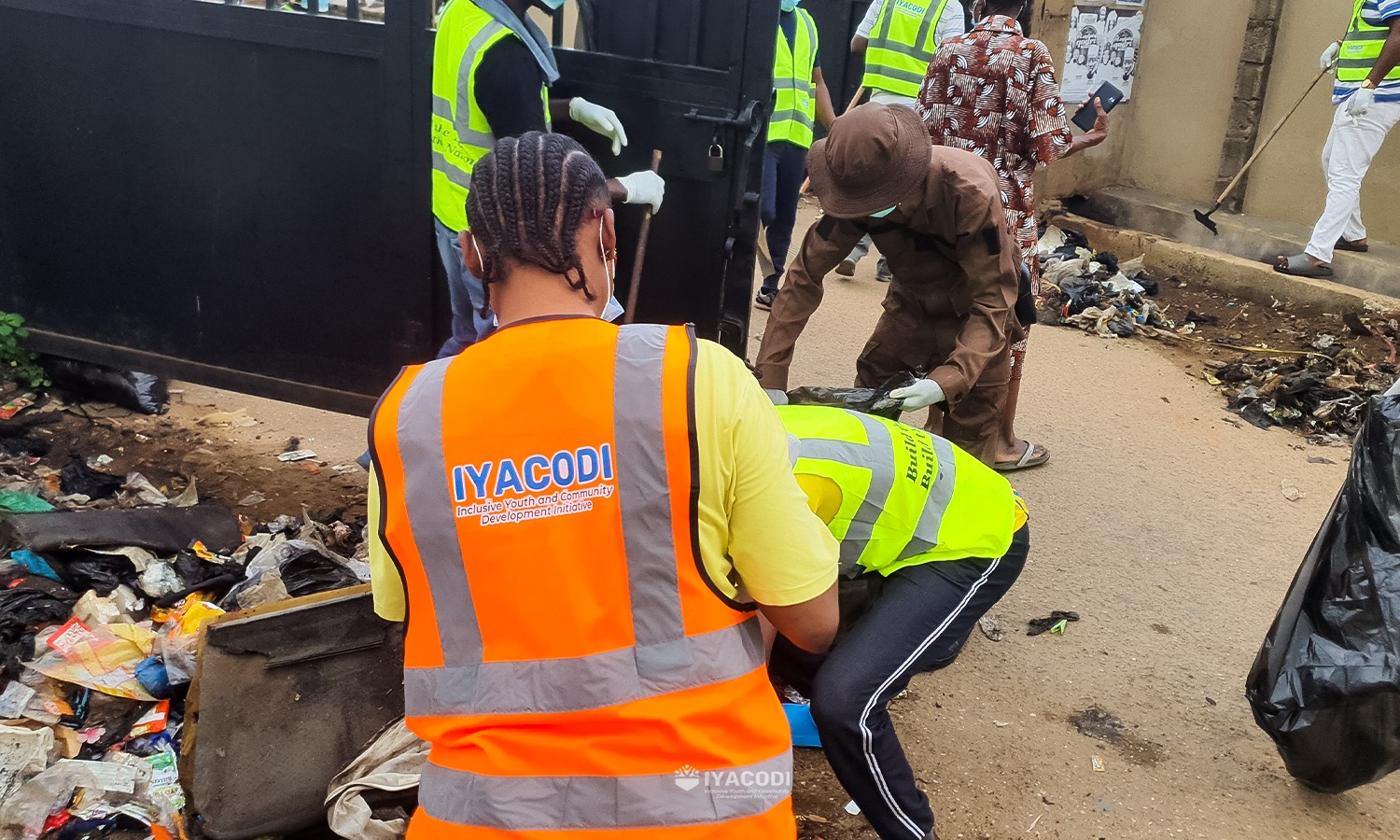
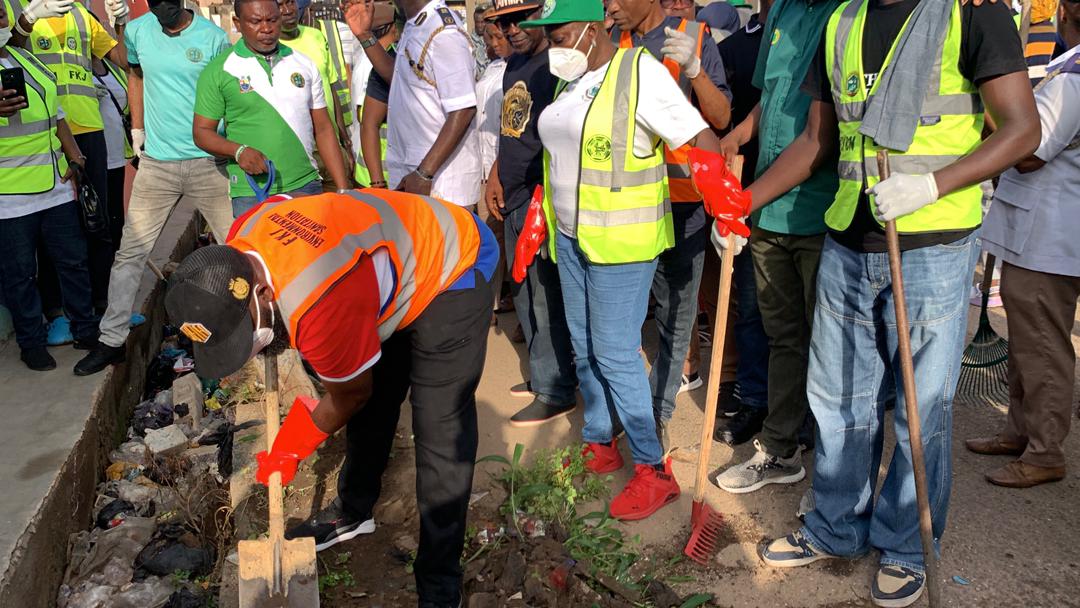
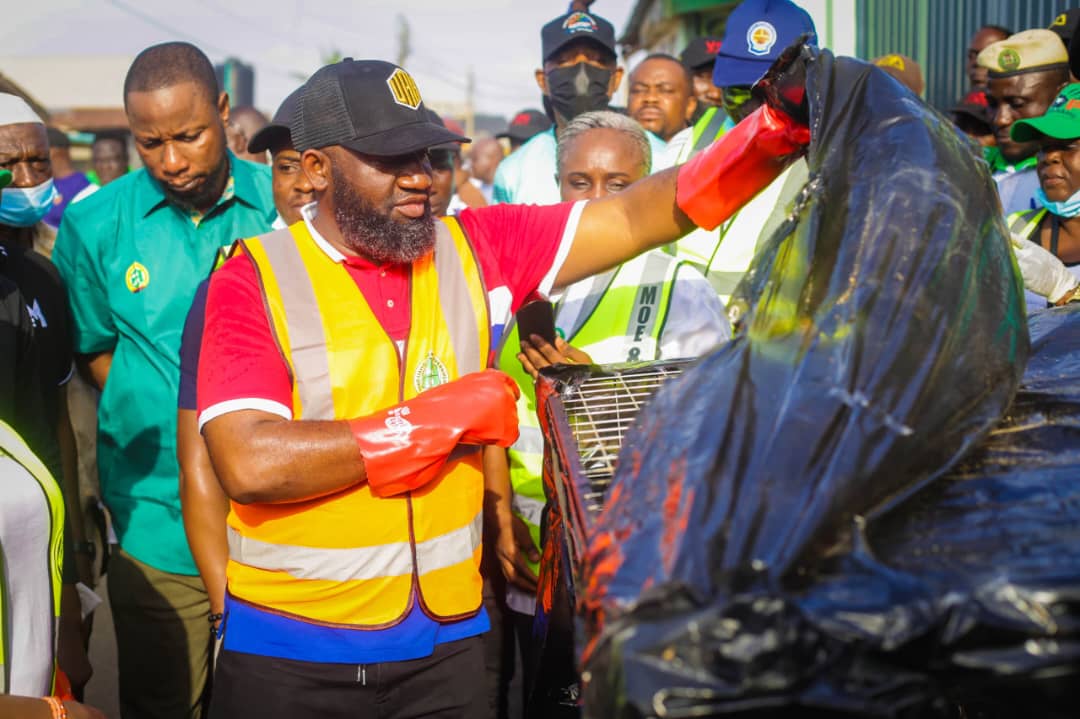
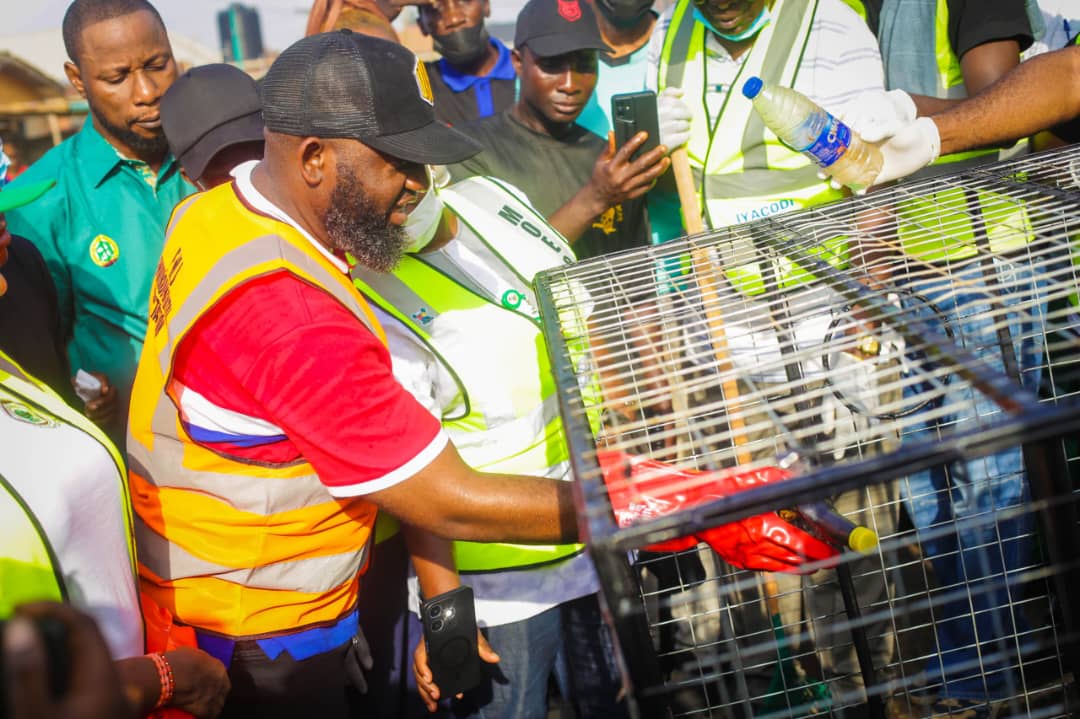
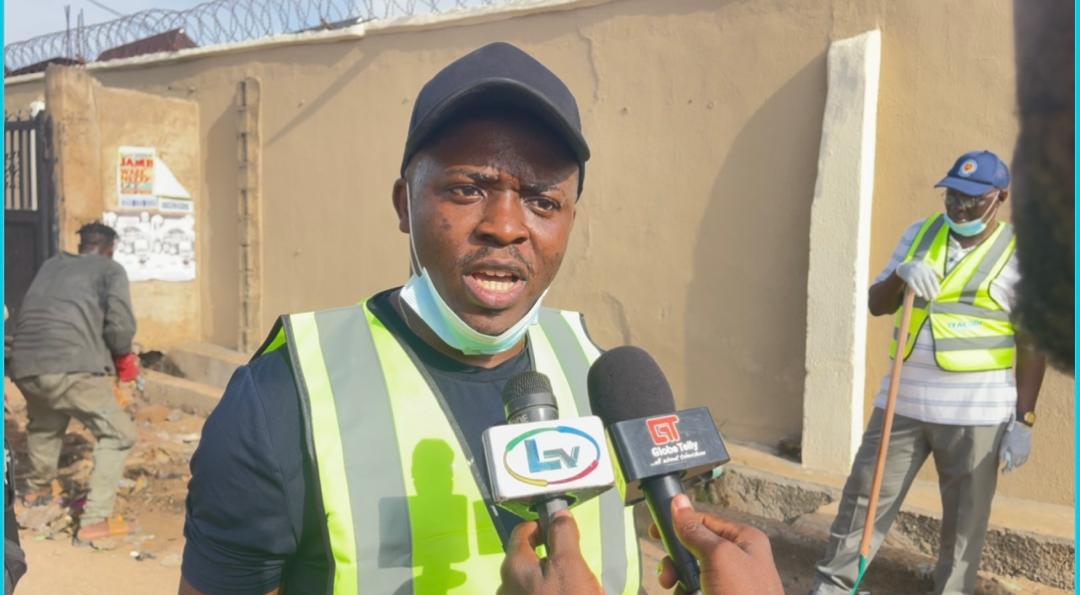
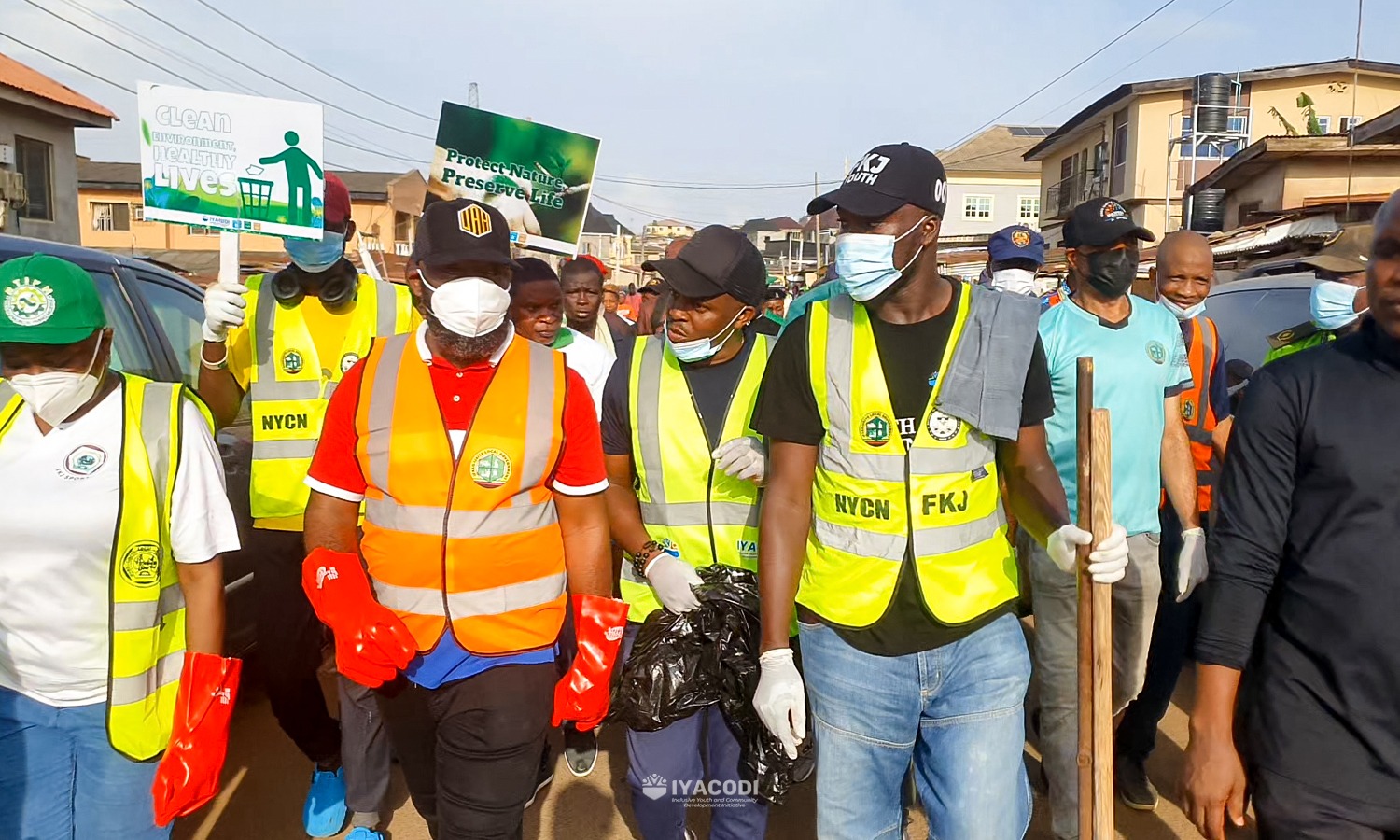
During the exercise, IYACODI volunteers and community members worked together to clean the environment, recover waste materials, and properly segregate recyclable items.
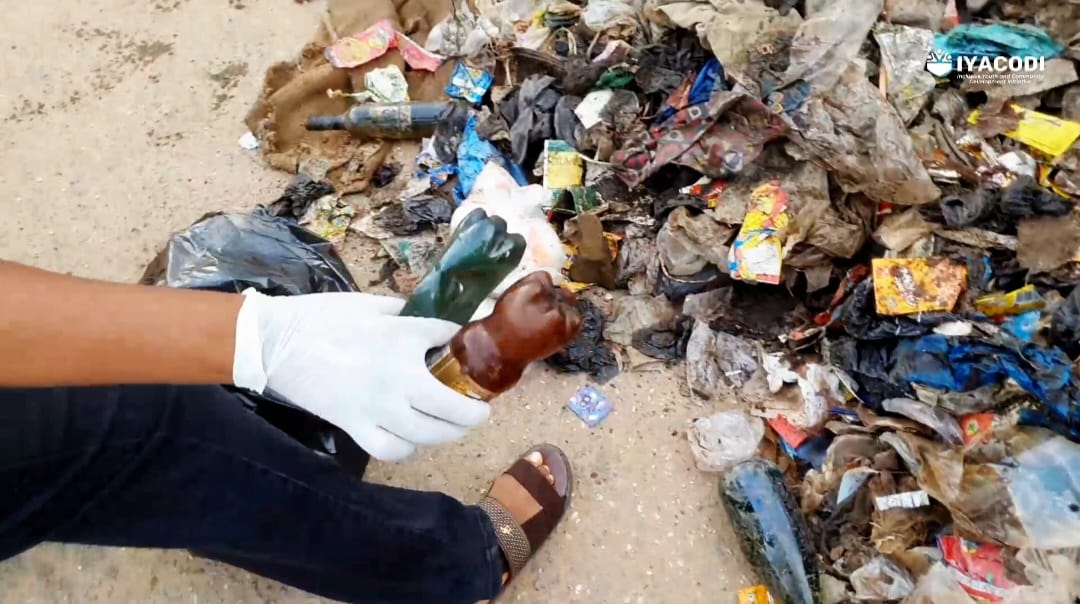
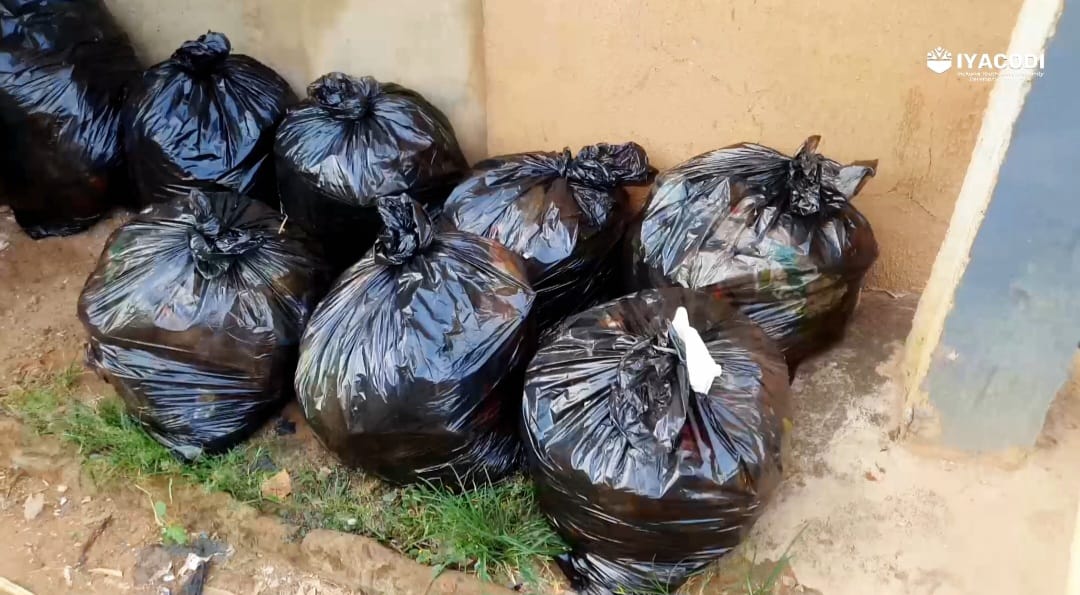
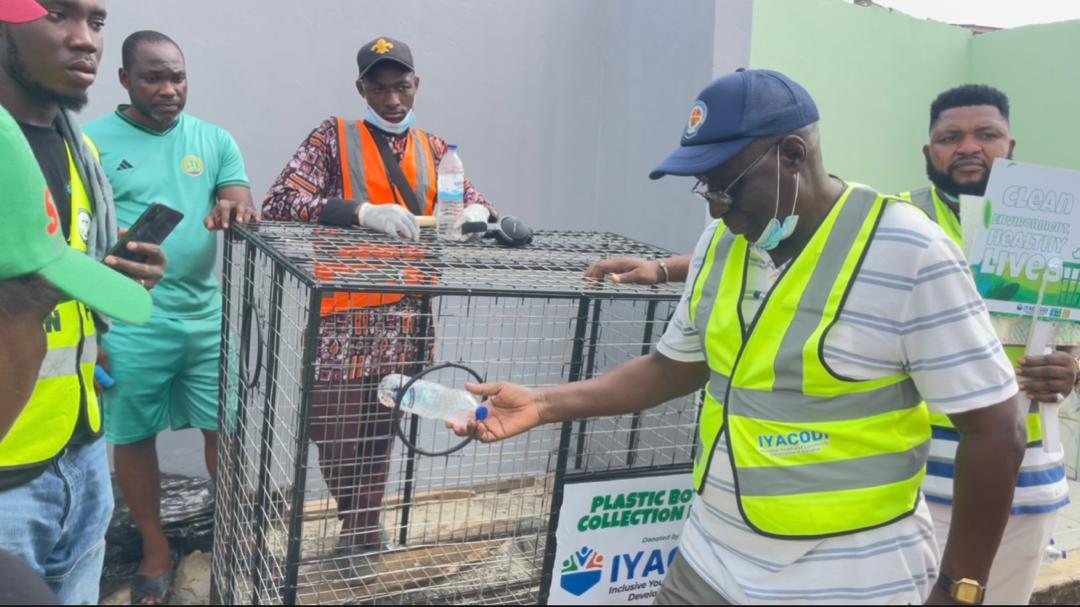
A total of 5.6 kilograms of plastic waste was successfully recovered and deposited into the newly donated Plastic Waste Collection Bin for recycling purposes.
*
Attendance and Community Participation*
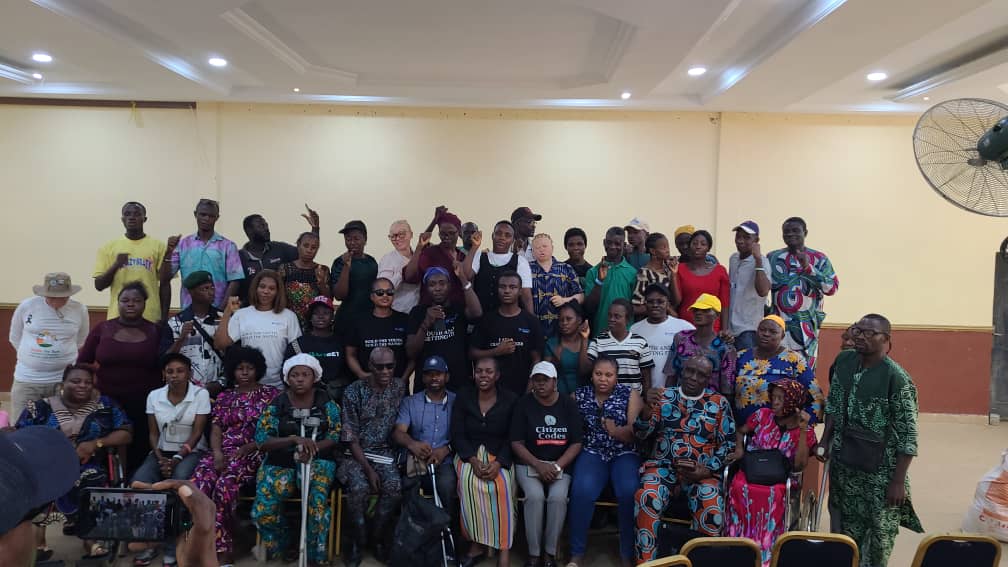
The exercise recorded active participation from:
- Community residents
- IYACODI Youth Ambassadors
- Environmental advocates
- Representatives of the LCDA
- Officials from Ifako-Ijaiye Local Government and Ministry of Environment
𝐓𝐡𝐞 𝐂𝐡𝐚𝐢𝐫𝐦𝐚𝐧 𝐨𝐟 𝐈𝐟𝐚𝐤𝐨-𝐈𝐣𝐚𝐢𝐲𝐞 𝐋𝐨𝐜𝐚𝐥 𝐆𝐨𝐯𝐞𝐫𝐧𝐦𝐞𝐧𝐭: 𝐏𝐫𝐢𝐧𝐜𝐞 𝐔𝐬𝐦𝐚𝐧 𝐀𝐤𝐚𝐧𝐛𝐢 𝐇𝐚𝐦𝐳𝐚𝐭 officially commissioned the Plastic Waste Collection Bin and encouraged residents to make proper use of the facility to support environmental cleanliness and sustainability.
Collaboration and Partnerships
This initiative was successfully implemented through the collective efforts and collaboration between Inclusive Youth and Community Development Initiative (IYACODI), Local Council Development Area (LCDA) representatives, Ifako-Ijaiye Local Government, National Youth Council of Nigeria (IfakoIjaiye) and residents of Araromi community.
The partnership reflects the importance of collective action in addressing environmental challenges and advancing sustainable community development.
Media Coverage
Media houses such as 𝐋𝐚𝐠𝐨𝐬 𝐒𝐭𝐚𝐭𝐞 𝐓𝐞𝐥𝐞𝐯𝐢𝐬𝐢𝐨𝐧(𝐋𝐓𝐕 𝟖) 𝐚𝐧𝐝 𝐂𝐓 𝐭𝐞𝐥𝐞𝐯𝐢𝐬𝐢𝐨𝐧 were present to cover the event.
Environmental Commitment
The Plastic Waste Collection Bin serves as a sustainable solution for plastic waste recovery and recycling within the community. Recovered plastics will be recycled, while proceeds generated from the recycling process will be reinvested into future environmental development projects in Araromi Community.
This initiative also demonstrates IYACODI’s long-term commitment to:
- Reducing environmental pollution
- Preventing drainage blockage caused by plastic waste
- Reducing flood risks within communities
- Promoting climate awareness and environmental responsibility
- Expanding plastic recovery initiatives across more communities
The project contributes directly to the achievement of:
- SDG 11 – Sustainable Cities & Communities
- SDG 12 – Responsible Consumption & Production
- SDG 13 – Climate Action
- SDG 17 – Partnerships for the Goals Conclusion
The Environmental Waste Management Exercise and Plastic Recovery Initiative reflects the power of community collaboration in driving meaningful climate action and environmental sustainability.
Through awareness creation, waste recovery, recycling initiatives, and strategic partnerships, IYACODI continues to build cleaner, healthier, and more sustainable communities for present and future generations.